Explore the Galápagos Islands
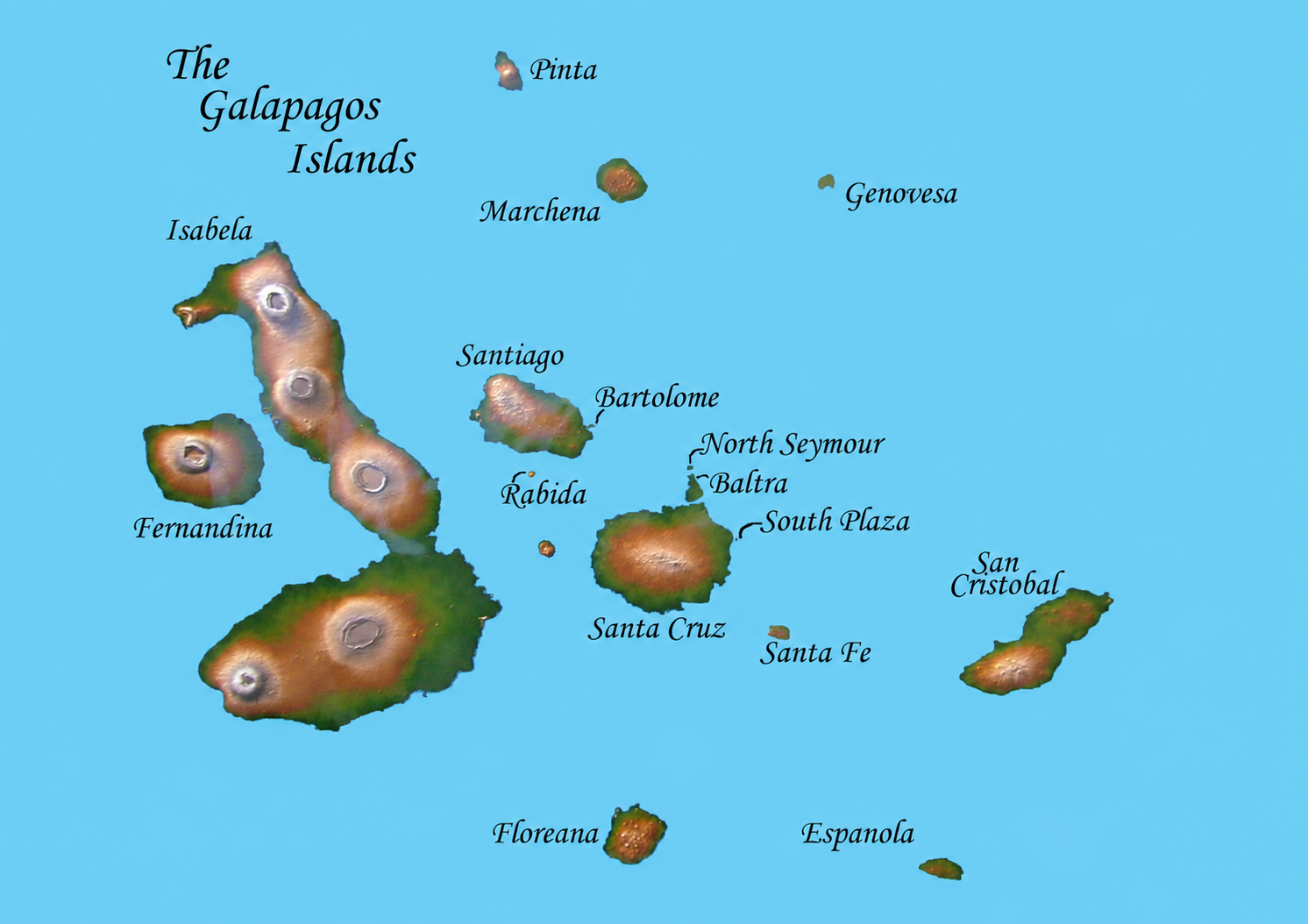
A land-based journey allows you to stay within the islands’ small communities and explore from several different bases. Each inhabited island has its own character, landscapes, wildlife and practical considerations. Use these island guides to understand what can be visited, how the experiences differ and how the islands may fit together in a wider itinerary.
Choose an island base
Select one of the four inhabited island towns to explore its island and visitor sites.
How to read the visitor-site guides
Each site includes a compact At a glance panel. Difficulty and cost use the following comparative guides; timing, transport, guide requirements and National Park arrangements are explained in words.
Is a guide required? This indicates whether visitors must be accompanied by an authorised guide. Even where a guide is not required, one can provide interpretation and help visitors understand the wildlife, geology, history and ecology of the site.
Difficulty
Easy: short or gentle access
Moderate: uneven ground, a longer walk or greater physical effort
Demanding: sustained walking, difficult terrain, strong heat or greater fitness required
Cost
Free: no entrance or excursion charge; transport or equipment may still cost extra
$: lower-cost local visit or short excursion
$$: moderately priced guided activity or excursion
$$$: higher-cost boat or full-day excursion
The rating is a general guide. Each page explains whether the main consideration is walking, swimming, boat travel, heat or terrain. Prices and operating arrangements can change.
Wildlife, swimming and visitor safety
Wildlife encounters, water conditions and access arrangements vary from day to day. The following guidance applies throughout the islands:
- Allow wildlife to control every encounter. Never chase, touch, feed, surround or block an animal’s route.
- Give sea lions plenty of space, particularly territorial males and mothers with young pups. Keep unattended belongings away from animals.
- Assess the tide, swell, currents, visibility and water access before swimming or snorkelling. Conditions can change quickly, even at relatively protected sites.
- Visitors should be realistic about their swimming ability. Flotation devices and wetsuits improve comfort but do not remove the effects of currents, waves or deep water.
- Wildlife sightings are never guaranteed. Seasons and general patterns provide useful guidance, but conditions vary each day.
- Carry drinking water, sun protection and appropriate footwear. A wetsuit is often useful during the cooler season.
- Follow current Galápagos National Park regulations, local advice and the instructions of guides or vessel crews.

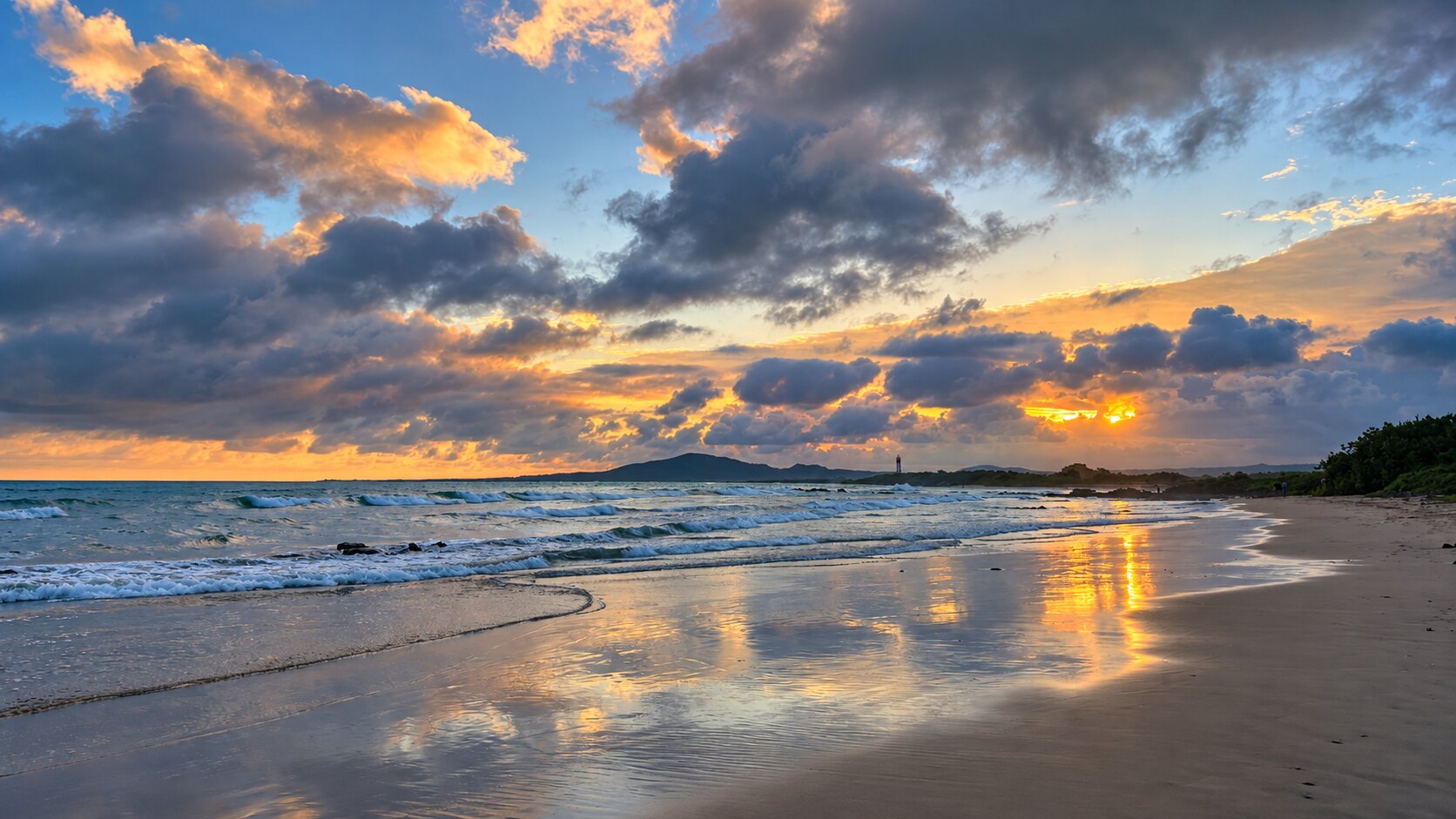


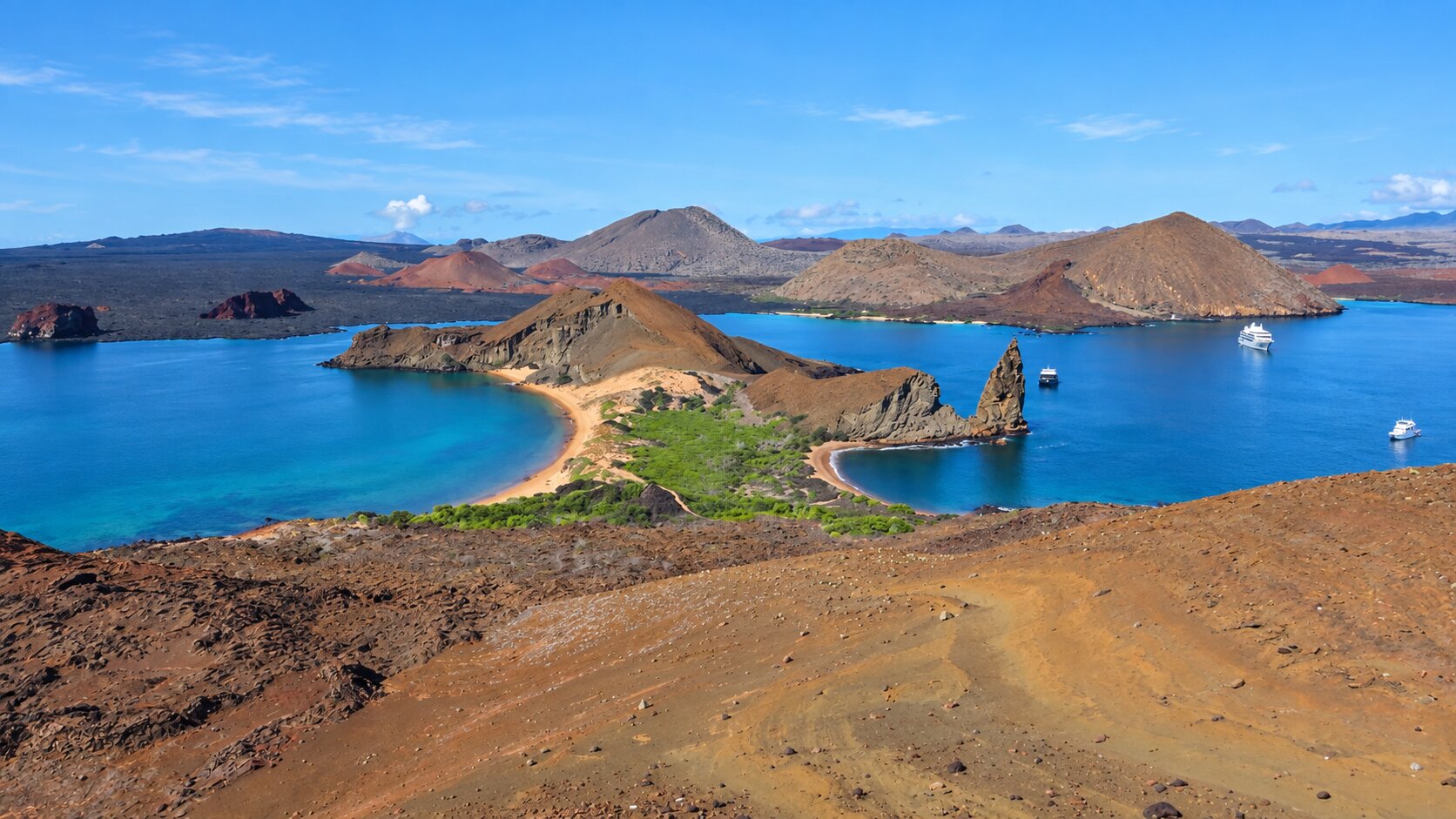
The right combination depends on your available time, interests, comfort with boat travel and the activities that matter most to you. Our trip-planning information explains how we check the different possibilities before preparing a proposal.
Discover more about the Galápagos
Watch Paul’s videos about planning your visit, Galápagos wildlife and the natural history of the islands.

Planning your Galápagos journey?
Tell us your dates, group size and interests, and we’ll help you explore the possibilities.